

 |
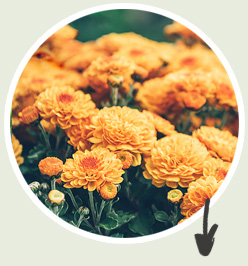
As fall approaches, hardy woody plants and perennials begin preparing to withstand the cold. Trees and shrubs stop putting energy into new growth and focus instead on strengthening their structure. Perennials start storing energy in their underground parts. |
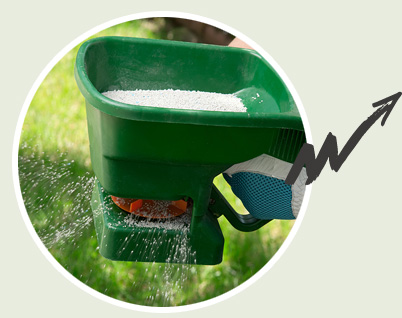
This is no longer the time to use fertilizers that stimulate growth or flowering. Instead, choose fertilizers that are high in potassium, with the third number on the fertilizer analysis being the highest.
 |
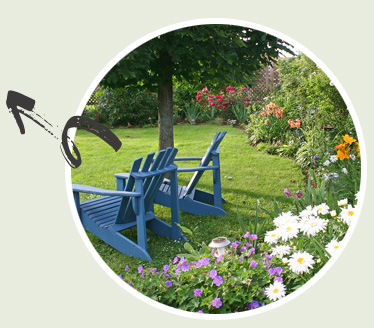 |
| For annual flower beds and containers, however, regular applications of a 15-30-15 fertilizer along with frequent, generous watering will keep blooms looking their best all summer long. | |
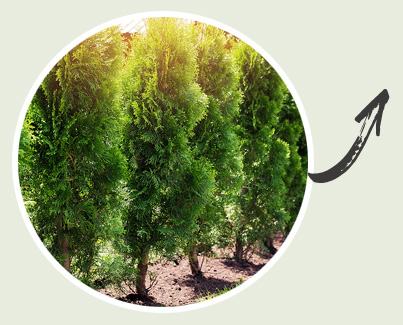 |
Fall fertilizer is especially important for newly planted trees and shrubs, hedges, and plants that have been damaged or heavily pruned.
Continue watering deeply once a week until the very end of the season. Consistent watering helps plants build the resilience they need to make it through winter. |
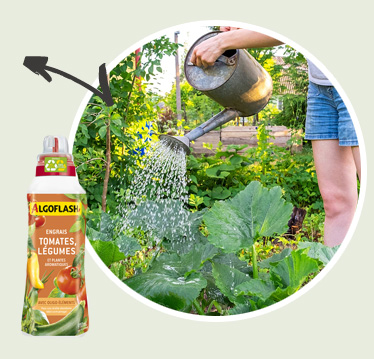
| In the vegetable garden, continue feeding your plants so they have the nutrients they need to grow and ripen a plentiful harvest.
A deep watering once a week is usually enough for an in-ground garden, but regular, balanced fertilization provides an extra boost for healthy, productive crops. |
 |
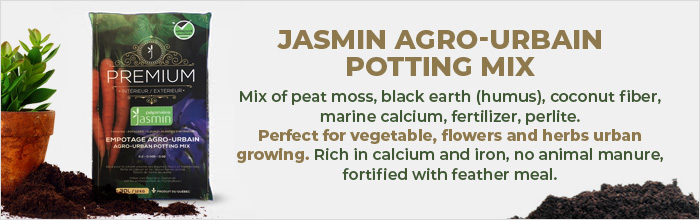

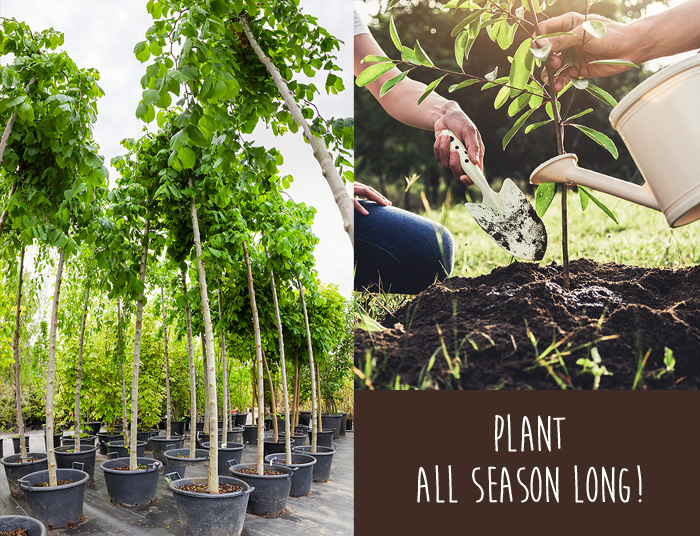
Here are a few essentials for successful planting:
• Prepare the planting hole properly by incorporating organic matter and adding mycorrhizae.
• Water deeply and regularly until the ground freezes.
• Apply fall fertilizer in August.
With these simple steps, your plants will have everything they need to establish strong roots and prepare for the colder months ahead.
Whether you plant in spring, late summer, or fall, continue providing proper care throughout the following season. Newly planted trees and shrubs need time to develop new roots, recover from transplanting, and become fully established.




| The columns in this newsletter are signed by Julie Lemieux for Jardin Jasmin |
 |
6305 Boul Henri-Bourassa W, Montreal, Quebec H4R 1C7 514 332-2978 You have questions ? Click here www.jardinjasmin.com |