| |
Version française |
|
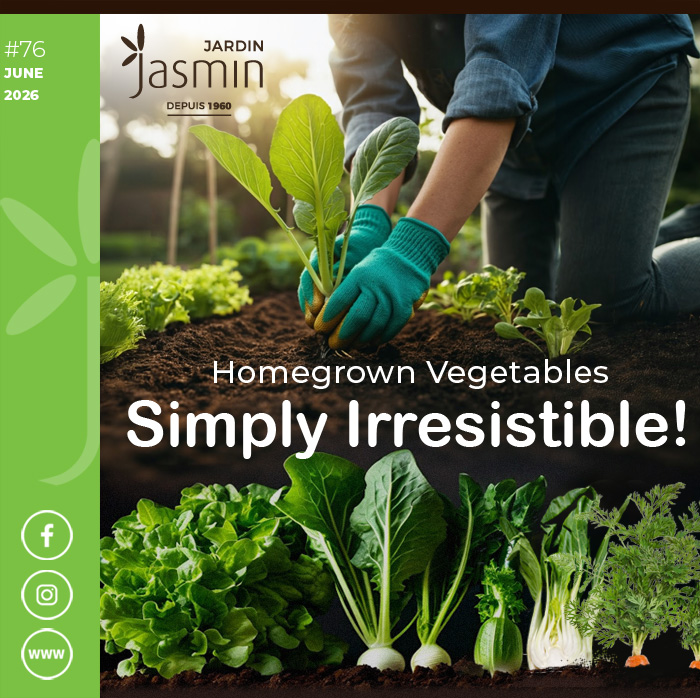
| The effort you invest in your vegetable patch translates directly into delicious, rewarding harvests!
In the garden, certain varieties sown in spring have already taken a strong lead and are now well established. These include peas, beans, spinach, onions, and cabbages, among others—crops that tolerate cooler temperatures quite well.
|
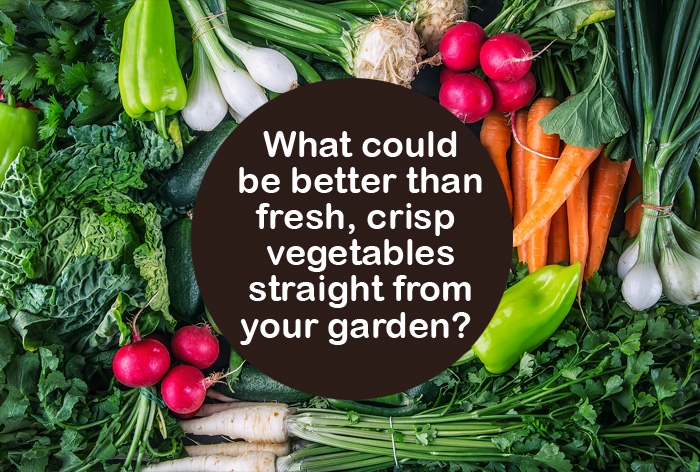 |
| Be cautious, however, with early planting of tomatoes, cucumbers, peppers, and other heat-loving plants. This year has brought relatively cool temperatures, especially at night. For these varieties, it’s best to wait until conditions are more favorable. |
 |
| You can also begin planning a second sowing of fast-growing crops such as lettuce, radishes, bok choy, and more. |
| |
| |
 |
| |
 |
| |
| |
| |
 |
 |
| When it comes to selecting your flowers, a visit to the nursery is a must! Take full advantage of the abundance available for your flower beds and outdoor spaces. And once everything is planted and your containers are flourishing, don’t forget a few simple care essentials. |
| With annuals, regular watering is key to keeping them in peak condition. If you’re planning to be away, be sure to arrange a backup watering solution.
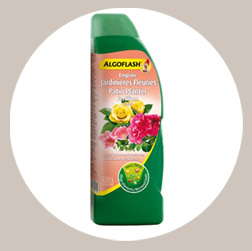
Continuous blooming also requires sustained energy! Annuals are among the most demanding plants in your garden and benefit greatly from regular fertilization. |
 |
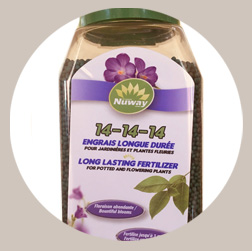 |
A wide range of products is available in-store, from slow-release fertilizers to water-soluble options.
Our knowledgeable staff will be happy to guide you according to your needs. |
|
| |
| |
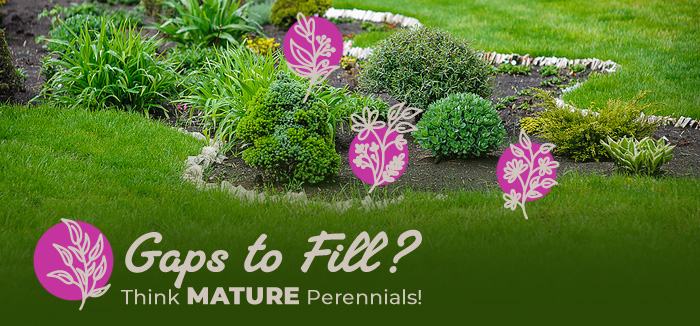 |
| For effortless and striking planting designs, mature perennials in 2-gallon pots arrive in-store this June! Pépinière Jasmin offers a wide selection of ready-to-plant varieties that will instantly elevate your landscape. An opportunity not to be missed! |
| |
| |
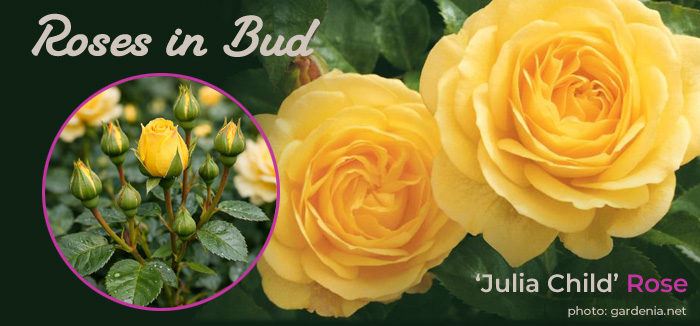 |
| There is no better way to choose roses than by seeing them just as their buds begin to open. From bud shape and bloom form to petal color and fragrance, everything is revealed to help you make the perfect choice. Explore our impressive selection of high-quality cultivars! |
| |
| |
| |
 |
| |
| |
| |
 |
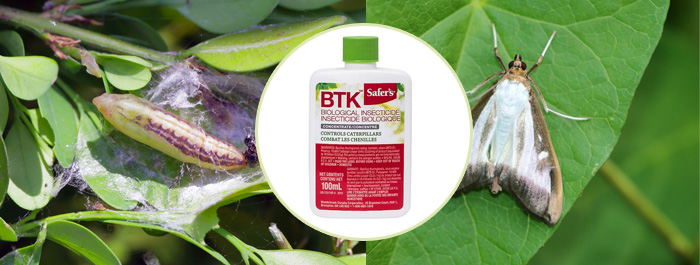
For boxwood owners, vigilance is essential. The box tree moth (Cydalima perspectalis Walker) is an invasive insect whose larvae feed voraciously on boxwood foliage.
Regular visual inspection of your shrubs is the first line of defense. If larvae are detected, BTK (Bacillus thuringiensis subsp. kurstaki) is an easy-to-use biological pesticide available in-store. Our advisors will gladly explain how to carry out the treatment effectively. |
 |
| |
| |
| |
 |
| |
| |
 |
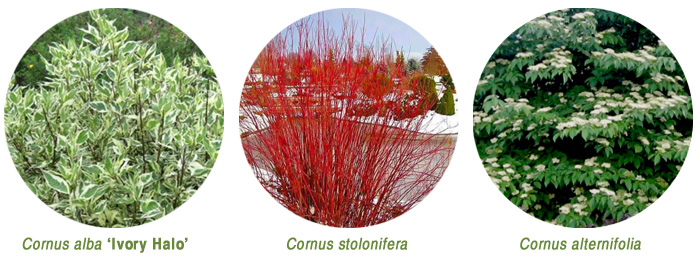
| The Cornus family is extensive, with species displaying a wide range of characteristics and appearances, an undeniable asset in landscape design. In Québec, most are shrubs. Some feature variegated foliage, such as Cornus alba ‘Ivory halo’, while others are prized for their vividly colored bark. Cornus stolonifera, for example, stands out with its bright red stems and remarkable ability to spread and stabilize soil. Meanwhile, the native Cornus alternifolia is admired for its elegant, tiered branching habit and his tolerance for shade conditions. |
 |
| Although their flowers are often understated, they are highly valued by pollinators, and birds eagerly feed on their fruits. Their year-round decorative appeal—even in winter—makes them excellent landscape choices. |
 |
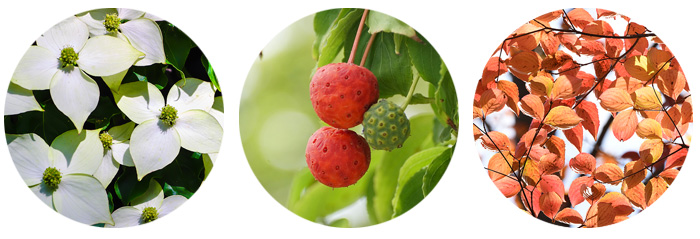
| This Japanese dogwood is a small tree, reaching approximately 4 meters in height. Its large white flowers are at their peak throughout June, followed by striking bright red fruit. In autumn, its foliage turns a vibrant orange-red, making it a standout feature throughout the growing season. |
 |
 |
Zone: 5
Height: 4 m
Spread: 2 m
Exposure: Sun to partial shade
Bloom: White, late May to late June
Fruit: Red
Fall Color: Orange-red
|
|
| |
| |
|
 |
| |
| |
 |
| |
| |
 |
| |
| |
The columns in this newsletter are signed by
Julie Lemieux
for Jardin Jasmin |
|
| |
|
| Unsubscribe | Subscribe to our Newsletter |